MA Animation
This course is open for applications
Accreditations and partnerships:

100% of MA Animation students are in graduate-level employment 15 months after graduating. Graduate Outcomes Survey 2023/24, published 2026.
UWE Bristol's accredited MA Animation is ideal if you want to study a practice-led curriculum in a diverse, creative postgraduate community. This course is led by internationally renowned industry professionals in a city recognised as a global centre for animation production.
About
Why study this course?
The MA Animation course at UWE Bristol positions animation as an artform at the forefront of contemporary storytelling. New technologies, diversifying media, and emerging audiences offering exciting opportunities for tomorrow's filmmakers and designers.
Throughout the course, you'll study alongside a purposefully small group of peers. Our celebrated staff team and extensive industry links ensure you'll learn your craft from skilled professionals, whether you choose to focus on stop-motion, digital 2D, or CG technologies.
Why UWE Bristol?
As a creative student, you'll be perfectly placed studying in Bristol. As a socially and politically progressive city, it's widely recognised as a global centre for animation production. Our strong partnerships with local organisations - including Aardman Animations - mean you'll benefit from their input, along with many valuable networking opportunities in this thriving creative context.
MA Animation is based at our Bower Ashton site, part of our City Campus. Here, you'll have access to exceptional technical facilities and resources including 2D, CG and stop-motion animation studios, sound recording suites, and fabrication workshops. You'll also have access to a combination of traditional tools and the latest technology.
Accredited by ScreenSkills, the UK's skills body for the screen industries, you'll gain a recognised master's degree and join our extensive network of industry-active alumni. You may also be eligible for the BAFTA scholarship.
Where can it take me?
Whether you're an experienced practitioner with a story to tell or a creative looking for a career in animation, you'll have the chance to tailor your animation projects to fit your own career aspirations.
You'll graduate with a globally recognised qualification and have a broad range of career options available to you regionally, nationally and internationally. Our graduates leave with the skills and knowledge for careers in film production, character animation, production design and storytelling.
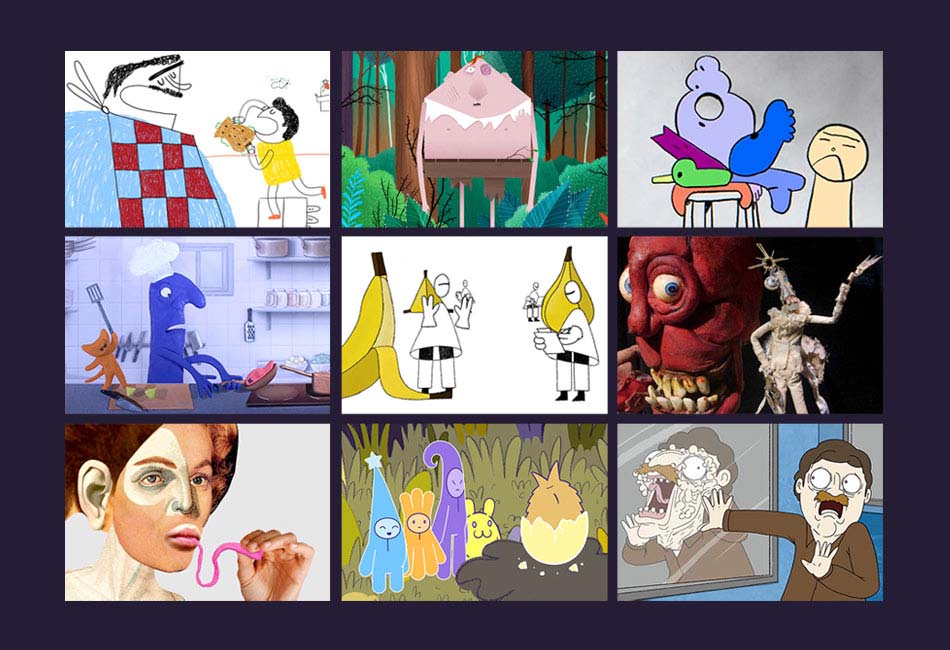
The image above shows the fantastic work from our Animation graduates (top left: Hend Esmat and Lamiaa Diab, 2018, top middle: Cornelius Joksch, 2016, top right: Andreas Fobes, 2022, middle left: Luke Frangeskou, 2023, middle: Madeleine Homan, 2023, middle right: Hugo Docking, 2023, bottom left: Karolina Bielskyte, 2018, bottom middle: Ché Dedames, 2024, bottom right: Chris Lambourne, 2022).
To see more of our graduate's work visit our online UWE Showcase.
Watch: Welcome to the School of Arts at UWE Bristol
Entry
Entry requirements
We're seeking highly motivated students from any background, committed to creative growth in our supportive School of Arts community. Most applicants have an honours degree in the Visual Arts, but those with qualifications in other disciplines or prior professional experience are also encouraged to apply.
While some students enter the course after years of independent work, we also welcome entries from ambitious applicants directly from undergraduate courses.
International applicants
If you're applying to UWE Bristol from another country or region, visit international study for tailored application information.
English language support
If you meet the academic requirements but require additional support to take your language skills to the required level, you may be able to attend one of our pre-sessional English courses. Students who successfully complete the pre-sessional course can progress onto their chosen degree course without retaking an IELTS or equivalent.
Read more about our pre-sessional English Programme.
Selection process
Applicants will be asked to provide a portfolio of practical or project-based work and a personal statement for review.
In your portfolio you may want to include your most recent or ambitious works alongside developmental or process-based details. The work you include can be in media from outside or beyond your chosen discipline, and may include personal or professional outcomes. We are looking for applicants with the potential to connect creatively with contemporary practice, the motivation to excel, and the capacity to contribute to our dynamic campus.
Your personal statement should communicate confidently and coherently your rationale for application: what you hope master's study will help you achieve in your future. You may want to include detail of the influences that have led you to application and the attributes you think will be important for success as a postgraduate. We would like to know more about you and your understanding of what we do.
Most personal statements we receive are around 500 words in length.
Applicants may be invited for an online interview if we have any further questions about your portfolio.
English Language Requirement
International and EU applicants need to have a minimum overall IELTS (Academic) score of 6.5, with 5.5 in each component (or approved equivalent*).
*The University accepts a large number of UK and international qualifications in place of IELTS. To find details of acceptable tests and the required grades please visit English language requirements.
How to apply
Read more about postgraduate applications.
We accept applications throughout the year but if you are working to a funding deadline, you should build this into your application process.
Read more about international applications and key international deadline dates.
For further information
- Email: Admissions@uwe.ac.uk
- Telephone: +44 (0)117 32 83333
Structure
Content
You'll study:
Creative Professional Contexts
You'll explore the character and conventions of the creative economy, refining your professional skills, experience, and identity to prepare you to succeed in a complex cultural landscape.
Critical Collaboration
You'll explore and connect arts research and discourse. You'll proactively collaborate with your peers, and develop and present bold, change-making creative proposals.
Final Major Project
You'll realise your creative project in a supportive community of interdisciplinary practice, technical expertise and academic criticality.
Animation 1
You'll be inspired to advance your understanding of what animation can be, actively developing creative ideas that will support and sustain your individual learning journey and artistic agenda.
Animation 2
You'll refine story and design assets ready to produce a short film, or choose to further develop and refine your work in a specialist animation practice.
You'll study a course carefully sequenced to deliver a dynamic student journey over three intensive terms.
In the first term, you'll develop an advanced understanding of what animation can be and you'll actively develop creative ideas that will support and sustain your personalised learning and artistic agenda for future animation projects.
At the end of the first term, you'll actively explore and connect arts research and discourse among a diverse community of postgraduate peers, resulting in the presentation of bold, change-making creative proposals.
In the second term, you'll build upon the practice-based project work established in the first term. This will likely involve you applying pre-production methods to refine story and design assets in readiness for the production and post-production phases. This development leads into the third term, where you'll have the opportunity to realise your ideas within a supportive community of interdisciplinary practice, technical expertise, and academic criticality when completing your final project.
You'll present your work to the public at our MA Film Festival.
Throughout the year, you'll develop your understanding of enterprise within the creative industries and develop knowledge of the contemporary character and conventions of the creative economy. You'll have the opportunity to refine your professional skills, attributes and identity in preparation to succeed in an uncertain and complex cultural landscape.
The University continually enhances our offer by responding to feedback from our students and other stakeholders, ensuring the curriculum is kept up to date and our graduates are equipped with the knowledge and skills they need for the real world. This may result in changes to the course. If changes to your course are approved, we'll inform you.
Learning and Teaching
Taught by an acclaimed team with international industry expertise, you'll learn to understand and push animated boundaries through technical and theoretical input. You'll study through a combination of practice-oriented lectures, seminars, workshops, and tutorials, and you'll also benefit from events with industry experts.
All School of Arts MA courses actively encourage cross-disciplinary discussion and multi-disciplinary interaction across our diverse community of postgraduate artists, filmmakers, and designers. This ensures you'll bring different perspectives to your creative practice.
See our glossary of teaching and learning terms.
Study time
This is a full-time course, which starts in September and runs for three terms over 12 months. Learning and teaching sessions typically take place over three days per week, variable across the academic year. Outside of your contact hours, you'll have the opportunity to access the available resources.
Assessment
You'll be assessed through a range of methods designed to mirror professional practices in the animation industry. You'll be evaluated through presentation, portfolio, practical work and written reflection with ongoing feedback from tutors.
You'll spend your last term working towards your final outcome for the year, which includes an opportunity to screen your work publicly.
Learn more about assessments.
Fees
Full time course
Supplementary fee information
Funding and studentship opportunities are listed on the Scholarships and bursaries page.
Find out more about funding and scholarships.
Read about postgraduate funding.
Features
Professional accreditation
This course is accredited by ScreenSkills, the UK's skills body for the screen industries.
Study facilities
Studying at Bower Ashton offers an excellent base for our City Campus students, connecting you some of Bristol's best creative and cultural organisations.
Hone your skills in industry-standard animation studios, which are equipped with the latest software and DVD authoring facilities and modern stop-motion studios. You also have access to the School of Arts' recently upgraded media studios, EPI Centre, 3D Centre, print fabrication facilities and newly extended library.
Learn more about UWE Bristol's facilities and resources.
Take a personalised virtual tour of the Filmmaking, Animation and Photography and experience what a typical day could look like here for you.
Skills and support
Skills development is embedded throughout the course and you will develop the creative, technical and professional skills required by the animation and media industries and a range of other careers.
Through practical assignments, live projects and technical workshops you will develop key skills in scheduling, production management, budgeting, life drawing, visualisation, networking, marketing, and research.
Study support is also provided throughout and offers valuable advice and guidance for both home and overseas students on a range of matters including presentation skills support and coursework preparation.
Careers
Careers / Further study
You'll will be taught by practising designers, makers, and researchers, bringing their skills and expertise exclusively to you studying at postgraduate level. Our students frequently go on to screen work in worldwide animation and short film festivals. Others have gone on to launch their own start-up studios, supported by UWE Bristol's Launch Space incubation hub.
You'll have the opportunity to enter or continue employment in the animation industry. You might run your own business, or progress to PhD study at UWE Bristol or elsewhere. Past students have gained employment and worked on productions throughout the world with companies such as: Aardman Animations, Wonky, Rumpus, Sun and Moon, Wild Seed Studios, Blue Zoo and Laika.
Learn more about our graduate destinations.
Get inspired
Our award-winning careers service will develop your employment potential through career coaching and find you graduate jobs, placements and global opportunities.
We can also help find local volunteering and community opportunities, provide support for entrepreneurial activity and get you access to employer events.
Visit our employability pages to learn more about careers, employers and what our students are doing six months after graduating.
Life

Postgraduate support
Our support includes access to fantastic facilities, study tools and career consultants, plus practical help to access everything from funding to childcare.
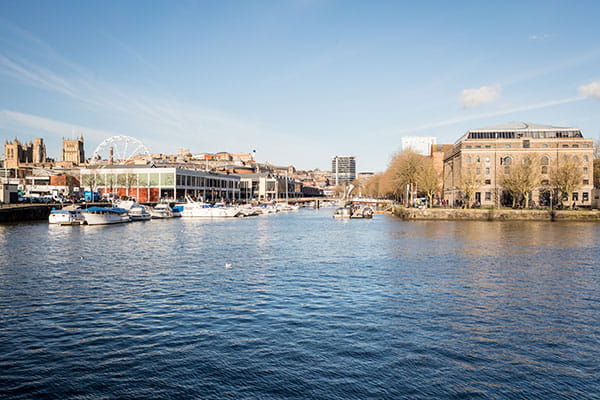
Bristol
A stunning city for student living with all the qualities to make you want to stay.

Sports, societies and activities
There is more to your experience here than study. Choose to make the most of it and try new things.

Health and Wellbeing
We provide support in the way you need it.
Campus and facilities
Discover our campuses and the wealth of facilities provided for our students.
