
MA Journalism: Audio and Podcasting
This course is open for applications
Accreditations and partnerships:

MA Journalism: Audio and Podcasting offers high-quality training across practical radio and audio making and multi-platform production, supported by our invaluable BBC Mentor Scheme. The course empowers a new generation of creative makers with industry insight, business acumen, and hands-on skills.
About
Why study this course?
Today's fast-moving digital age has opened up enticing opportunities for journalists wanting to work in audio and radio. Producers are needed to create high-quality programmes for podcasts, radio and audio documentaries. So graduates specialising in this field are in demand, offering a compelling set of skills and a highly versatile portfolio career.
A fundamental aim of MA Journalism: Audio and Podcasting is to enable you to develop a keen nose for strong, relevant ideas. You'll develop the practical ability to turn content into intelligent, surprising and entertaining stories that will draw audiences and inspire them to engage with the world.
Why UWE Bristol?
As a creative student, you'll be perfectly placed studying in Bristol. A socially and politically dynamic city, Bristol is recognised as one of the UK's most vibrant media centres, with one of the highest concentrations of creative industries outside London.
Working with award-winning audio producers, you'll learn to develop your own radio documentaries and podcasts. You'll also build experience of audio collection techniques, sound and recording, working in a studio and using digital editing software.
Benefit from our invaluable BBC Mentor Scheme, which pairs you with an experienced BBC journalist. They'll offer you real-world insights, handson guidance, and industry support throughout your course, helping you build your journalism career of the future.
Where can it take me?
You'll graduate with a broad range of career opportunities across regional, national and international media. With strong core skills and specialist expertise, our graduates go on to secure roles in production companies, postproduction facilities, and freelance or staff positions in audio journalism.
Career paths include broadcast assistant, junior researcher, production assistant and studio manager. Many of our students have also been nominated for, and have won, prestigious local and national awards for multimedia journalism and audio documentaries.
Follow UWE Journalism on Instagram, X (formerly Twitter), and LinkedIn for news.
Watch: Welcome to the School of Arts at UWE Bristol
Entry
Entry requirements
We're seeking highly motivated students from any background, committed to creative growth in our supportive School of Arts community. Most applicants would have an honours degree in the arts or media related subject, but those with qualifications in other disciplines or prior professional experience are also encouraged to apply.
While some students enter the course after years of independent work, we also welcome entries from ambitious applicants directly from undergraduate courses.
International applicants
If you're applying to UWE Bristol from another country or region, visit the international study pages for tailored application information.
Selection process
Applicants will be asked to provide a personal statement for review.
Your personal statement should communicate confidently and coherently your rationale for application: what you hope Master's study will help you achieve in your future. You may want to include detail of the influences that have led you to application, and the attributes you think will be important for success as a postgraduate. We would like to know more about you, and your understanding of what we do.
Most personal statements we receive are around 500 words in length.
Applicants may be invited for an online interview, if we've any further questions about your portfolio.
English Language Requirement
International and EU applicants are required to have a minimum IELTS (Academic) score of 7.0 overall including at least 7.0 in the writing component and no lower than 6.5 in any other component (or approved equivalent*).
*The University accepts a large number of UK and international qualifications in place of IELTS. To find details of acceptable tests and the required grades, please visit English language requirements.
English language support
If you meet the academic requirements but require additional support to take your language skills to the required level, you may be able to attend one of our pre-sessional English courses. Students who successfully complete the pre-sessional course can progress onto their chosen degree course without retaking an IELTS or equivalent.
Read more about our pre-sessional English programme.
How to apply
Read more about postgraduate applications.
We accept applications throughout the year but if you are working to a funding deadline, you should build this into your application process..
Read more about international applications and key international deadline dates.
For further information
- Email: Admissions@uwe.ac.uk
- Telephone: +44 (0)117 32 83333
Structure
Content
You'll study:
- Creative Professional Contexts
- Critical Collaboration
- Final Major Project
- Multimedia Journalism 1
- Multimedia Journalism 2.
The University continually enhances our offer by responding to feedback from our students and other stakeholders, ensuring the curriculum is kept up to date and our graduates are equipped with the knowledge and skills they need for the real world. This may result in changes to the course. If changes to your course are approved, we'll inform you.
Learning and Teaching
Throughout your Podcast and Audio Journalism Master's, you'll be taught by a team with years of industry expertise across audio and digital platforms. You'll learn the future-facing multimedia journalism skills industry needs. Develop your passion for audio storytelling through a combination of practice-oriented workshops and tutorials. Immerse yourself in the world of a real-life newsroom during our 'news days', and gain invaluable insight from events with industry experts from the BBC and beyond.
All School of Arts MA courses actively encourage cross-disciplinary discussion and multi-disciplinary interaction across our diverse community of postgraduate artists, filmmakers, designers, and journalists. This ensures you'll bring different perspectives to your creative practice.
See our glossary of learning and teaching terms.
Study time
This is a full-time course, which starts in September and runs for three terms over 12 months. Learning and teaching sessions typically take place over three days per week, variable across the academic year.
Outside of your contact hours, you'll be expected to get out into the city to find interesting and important stories, putting your new knowledge into practice. You'll also have access to our wide range of academic resources to help put that learning into a wider industry context.
Assessment
You'll be assessed through a range of methods designed to mirror professional practices in the journalism industry. These methods include presentations, portfolios, practical work and written reflection with ongoing feedback from tutors.
During your final term, you'll have the chance to produce a long-form audio documentary or podcast as a final major project. This is designed to showcase your skills and introduce you to the range of editorial, technical, and ethical considerations professional journalists navigate during their career.
Learn more about our assessments.
Features
Placements
As part of your degree, you're required to gain industry experience at professional journalism outlets. Past students have gained placements at the likes of BBC Bristol, Ujima Radio and Bauer Media.
There are potential opportunities to gain further work experience in local, national or international media outlets and explore real stories on the streets of Bristol and beyond.
Find out more about work experience and placements.
Fieldwork
We've a wide range of study visits but you're also expected to be out in the field producing journalistic material throughout your Podcast and Audio Journalism Master's.
Study facilities
Studying at Bower Ashton offers a base for our City Campus students, connecting teaching and learning with a range of renowned creative and cultural organisations in Bristol. Bower Ashton houses the main library supporting the creative and cultural industries and student support services.
Develop your skills in our industry-standard radio and podcast studios, with the latest recording, editing, and production equipment and software to support studies in audio journalism and creative media.
Take a personalised virtual tour of the Journalism facilities and experience what a typical day could look like here for you.
Learn more about UWE Bristol's facilities and resources.
Industry links
Our MA Journalism: Audio and Podcasting has been developed in partnership with the BBC, which also provides work placements, internships, guest speakers and mentors.
Bristol is a vibrant media city with many opportunities for work experience with local audio and digital production companies.
UWE Bristol is a partner in the Pervasive Media Studio which is at the forefront of research and development of the creative technologies. We've strong links with a range of broadcasting organisations including Bristol Media, the Royal Television Society and South West NUJ.
Careers
Careers / Further study
MA Journalism: Audio and Podcasting graduates have the skills and confidence to apply for entry level posts in the radio factual broadcast sector, including documentary, formats and presenter-led features.
Our partnership with the BBC brings opportunities for engagement, collaboration and possibly employment. The BBC highly values the talent, fresh ideas and enthusiasm of our students.
You could go on to secure freelance or inhouse work in production companies and post-production facilities, working as a broadcast assistant, junior researcher, production assistant or studio manager.
Our award-winning careers service helps you develop your employment potential through career coaching, a vacancy service for internships, placements, jobs, global opportunities, volunteering and community activity plus support for entrepreneurial activity, and access to employer events.
Learn more about our graduate destinations.
Life

Postgraduate support
Our support includes access to fantastic facilities, study tools and career consultants, plus practical help to access everything from funding to childcare.
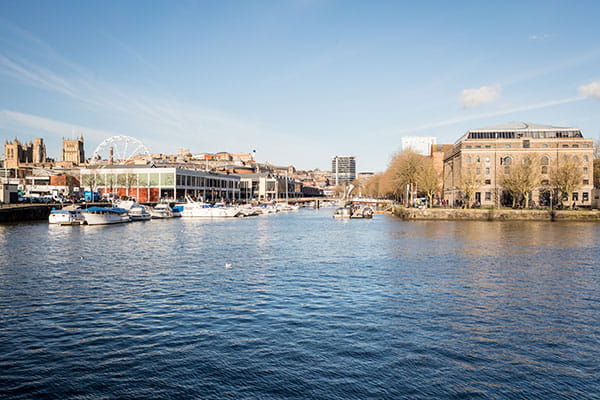
Bristol
A stunning city for student living with all the qualities to make you want to stay.

Sports, societies and activities
There is more to your experience here than study. Choose to make the most of it and try new things.

Health and Wellbeing
We provide support in the way you need it.

Campus and facilities
Discover our campuses and the wealth of facilities provided for our students.
