BA(Hons) Photography (with Foundation Year)
Please note that new student recruitment to this course has been suspended for the September 2027 intake. Applications for 2028 should be made through UCAS from September 2027.
Accreditations and partnerships:


8th university in the UK for Filmmaking, Film production, Animation, and Photography courses. Guardian University Guide 2026
Study in a studio environment with professional-standard facilities and the focus on the real-world skills you need to succeed in your career.
About
Why study photography?
Images are everywhere. Studying photography enables you to understand the language of images and develop your 'visual voice' to communicate effectively and with confidence.
It helps you understand the contexts in which images exist and circulate, and locate opportunities to get your images published, exhibited and commissioned.
Becoming a photography professional opens doors to a wide range of careers within a global landscape of creative industries.
Why UWE Bristol?
BA(Hons) Photography is based in the city of Bristol, a vibrant arts and media community that will challenge and inspire you.
The course offers a vibrant, collaborative environment, modern facilities, supportive workshop instruction and expert input, all underpinned by theory and critique.
Study at Bower Ashton Studios, part of our City Campus, where exceptional facilities and resources include industry-standard digital media studios.
Explore traditional tools and the latest technology in our production and fabrication workshops. Develop your creativity and the high-level practical skills needed to become a successful photographer. Work across all areas of the discipline, from editorial and documentary to fashion, advertising and fine art.
We'll encourage you to transform your broad-based photographic practice into an individual visual style. On graduation, you'll have a unique and compelling body of work for the marketplace.
Work to briefs set and assessed by external individuals and organisations, including photographers, filmmakers, publishers, clothing labels, product designers, theatre groups, musicians and festivals. Build your CV with work experience, and access to job opportunities, throughout the course.
Our partnerships with Bristol Photography Festival and IC Visual Lab, two highly reputable Bristol-based photography organisations with national and international influence, will provide you with a wide range of work experience placements and live briefs to work on. You'll also have access to industry talks, events and opportunities to display your work at prestigious exhibitions and venues.
Our City Campus is a creative powerhouse. It spans across Bristol and is made up of Bower Ashton and renowned contemporary arts centres Spike Island, Arnolfini and Watershed.
Attend talks from creative professionals and visit photographers' studios, agencies and picture libraries. Showcase your work to talent scouts and potential employers at the final year Degree Show and graduate with an impressive portfolio of work.
Hear from Photography graduate, Africa Barrero-Alexander, about their final year degree show project.
Take a look at our students' work:
Where can it take me?
Our graduates work in fields from editorial and fashion to movie stills and medical photography. Employers include the BBC, Sunday Times Magazine and the Tate.
Past students have assisted photographers such as Steve McCurry, Zed Nelson and Tim Walker, and have been published and exhibited in FT Weekend, Vogue Italia, Oh Comely, The Photographers Gallery, National Portrait Gallery and the Tate.
Graduates have also established important collectives and exhibiting networks such as The Lost Light Recordings, Loupe Magazine and Splash and Grab.
Some graduates go on to further study at Master's level, including our own postgraduate MA Photography course.
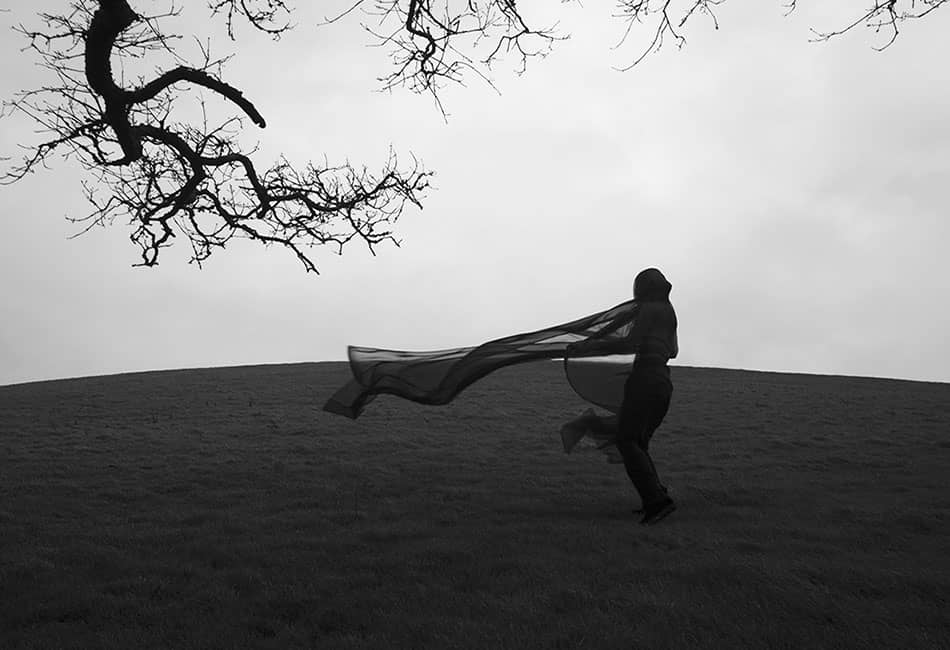
The image above shows the fantastic work from one of our students (Megan Hart, 2023 Photography graduate).
Photography student showreel
A showcase of student work from the BA(Hons) Photography course at UWE Bristol.
Entry
Typical offers
You will need to meet the following Level 2 requirements:
- GCSE: Grade C/4 in English, or equivalent.
In addition to the above Level 2 qualifications, you'll need to achieve the published tariff points from your Level 3 studies prior to entry. Below is an indicative list of the main qualification types. However, we will consider any Level 3 qualifications towards meeting our entry requirements.
- Tariff points: 72
- Contextual tariff: See our contextual offers page.
- English Language Requirement:
International and EU applicants are requirement to have a minimum overall IELTS (Academic) score of 5.5 with 5.5 in each component (or approved equivalent*).
*The university accepts a large number of UK and International Qualifications in place of IELTS. You can find details of acceptable tests and the required grades you'll need in our English Language section. Please visit our English language requirements page.
- A-level subjects: No specific subjects required.
- EDEXCEL (BTEC) Diploma: No specific subjects required. For information on required Guided Learning Hours please see our minimum entry requirements page.
- Access:
No specific subjects required.
- Baccalaureate IB:
No specific subjects required. We accept the IB Career-related Programme in conjunction with other Level 3 qualifications.
- Irish Highers: No specific subjects required.
- Welsh Baccalaureate: We accept tariff points achieved from the Advanced Skills Baccalaureate Wales in conjunction with other Level 3 qualifications.
- Cambridge Technical: No specific subjects required.
- T Levels: No specific subjects required.
Entry requirements
We're looking for applicants who are curious, creative and eager to develop their practice, explore new ideas and contribute to a vibrant creative community.
- Applicants studying qualifications that we've identified as subject-relevant will be considered on the basis of their predicted or achieved grades, provided they meet our entry requirements.
- Applicants whose qualifications fall outside these subject-relevant areas will be asked to submit a digital portfolio. This helps us consider creative potential alongside academic achievement. For more details, please visit our selection page.
In some cases, we may also invite applicants to a short online discussion about their work and creative interests.
Our admissions approach is designed to be fair, inclusive and supportive. We recognise both academic achievement and creative potential, ensuring you have the opportunity to demonstrate your suitability for the programme in a way that reflects your individual strengths.
If you exceed the entry requirements you may be eligible for BA(Hons) Photography.
International applicants
If you're applying to UWE Bristol from another country or region, visit the international study pages for tailored application information.
Read more about entry requirements.
How to apply
Read more about undergraduate applications.
Read more about international applications and key international deadline dates.
For further information
- Email:
UK applicants
Admissions@uwe.ac.ukInternational/EU applicants
International@uwe.ac.uk - Telephone:
UK applicants
+44 (0)117 32 83333International/EU applicants
+44 (0)117 32 86644
Structure
Content
You'll study:
Core Studies in Art, Media and Design
This module will provide a supportive introduction to university-level creative study through active and playful engagement with traditional, digital and virtual tools, processes and equipment. You'll experiment with materials, technologies and approaches to making, learning how sources of inspiration and influence can develop themes, ideas and concepts. Structured project briefs will introduce research, creative production and documentation, while reflective and evaluative activities will build your analytical and critical thinking skills. You'll work in an interdisciplinary studio environment and learn how to access university academic, wellbeing and disability support.
Building Creative Skills
Building on earlier creative study, this module will support you to undertake longer projects with greater independence and scope for discovery. You'll develop ideas through drawing, research, experimentation and visual storytelling, documenting your progress from initial concepts to a range of creative outcomes. Collaborative activities will help you reflect on your contribution, while a more self-directed investigation will encourage you to explore personally meaningful themes. You'll consider audience, client or viewer, investigate appropriate ways to present project work, and strengthen your planning, decision-making, reflective practice and creative independence.
Foundation Project
In this module, you'll plan, organise and complete a major project in your chosen creative specialism. Beginning with a proposal negotiated with staff, you'll develop an extended body of work that applies the skills and confidence gained across the course. Research, seminar discussion and critique will help you connect your practice with relevant professional and disciplinary contexts. As your project develops, you'll consider audience, client or viewer, select suitable materials and technical processes, and refine your outcome for exhibition, screening, publication or online distribution. You'll also explore sustainable making and relevant health and safety considerations.
Disciplinary Projects
This module will introduce you to the cultures, environments and foundational skills of your chosen creative discipline. Through programme-specific teaching, you'll explore core concepts and ways of thinking, investigating and making that will prepare you for study at the next level. A short project will give you opportunities to connect research with creative practice and develop original work using approaches appropriate to your subject. You'll document your ideas and progress visually, add reflective and analytical commentary, and build confidence through discussion, critique and one-to-one guidance within your disciplinary community.
You'll study:
Arts Contexts
This module will introduce key ideas and contexts that shape creative arts practice, helping you begin to position your work and the work of others. Interactive activities will develop foundational critical and contextual thinking, communication, project planning, research and creative experimentation. You'll explore how to work safely, ethically and sustainably, critically examine materials and ideas, and recognise the benefits of working alongside others. Through collaborative and experiential learning in the School of Arts and across Bristol, you'll build confidence as an active member of a creative community.
Exploring Practice in Photography 1
This practice-based module will introduce approaches to photographic image-making through research, experimentation and technical development. You'll explore camera controls, light, composition and visual language while considering how context and intention shape a photograph. Practical projects will encourage you to generate ideas, test methods and make informed selections. You'll document and reflect on your process, engage with relevant practitioners and develop confidence in presenting photographic work. Studio discussion and feedback will support an emerging personal approach and establish foundations for further photographic study.
Exploring Practice in Photography 2
Building on earlier photographic practice, this module will extend your creative, technical and critical understanding of image-making. You'll investigate different photographic contexts and develop work from research through experimentation to more resolved outcomes. Practical activity may include digital and analogue processes, lighting, editing, sequencing and presentation. You'll strengthen your ability to select appropriate methods, analyse images and reflect on feedback, while considering how audience and context affect meaning. The module will support the development of a more purposeful and individual photographic practice.
Creative Collaboration in Photography
This module will explore photography as a collaborative and co-created practice. You'll develop an individual response to a creative brief before working with others to shape a coherent collective outcome. Lectures and technical workshops will introduce relevant contexts, publication formats, digital software and hand-production techniques. You'll develop skills in image editing, sequencing, page layout and digital or print production, while documenting research and practical processes. Teamwork, problem-solving and critical reflection will help you understand how individual creative contributions can support a shared photographic project.
You'll study:
Developing Practice in Photography 1
This module will enable you to consolidate prior learning and establish a self-directed area of photography practice. You'll negotiate a theme or topic that reflects your individual concerns and skills, then develop a series of art, design or media works. Contextual research into historical and contemporary lens-based practice and culture will inform your ideas and methods. By exploring personal methodologies, you'll learn how to sustain independent work, identify productive strategies and begin defining a specialist direction within photography or related forms of practice.
Professional Contexts in Photography
In this module, you'll investigate the professional contexts in which photography is produced, commissioned, distributed and experienced. You'll explore roles, working practices and opportunities relevant to lens-based practice, considering how photographers communicate with audiences, clients and other professionals. Research and reflection will help you identify your strengths, interests and possible career directions. You'll develop a clearer understanding of professional expectations and strengthen your ability to present your practice, make informed choices and connect your developing photographic work with appropriate employment, freelance or broader creative contexts.
Optional modules:
You'll choose from this list (the amount of modules you study will depend on credit requirement):
- International Exchange*
- Arts Futures**
- Developing Practice in Photography 2.**
*Compulsory (and only available to study) if you participate in an International Exchange.
**Not available to study if you participate in an International Exchange.
You'll study:
Arts Research Project
This module will support you in developing an independent research enquiry linked to contemporary Fine Art or Photography. You'll investigate a specialised area of interest, selecting and applying research methods that align with your chosen subject and creative approach. Topics may include critical analysis, contextual investigation, project management, professional ethics and the communication of ideas. Through lectures, tutorials and self-directed study, you'll strengthen your ability to organise and manage research projects while deepening your understanding of the critical, cultural and professional contexts that shape contemporary creative practice.
Independent Practice in Photography
This module provides an opportunity to develop a substantial body of independent photographic work shaped by your personal interests and future ambitions. Through a self-directed programme of study, you'll apply and refine a personal creative methodology while engaging with contemporary critical, cultural and professional contexts. Supporting research, reflective commentary and contextual investigation will inform the development of your work. By managing your own project and evaluating creative outcomes, you'll strengthen your technical expertise, critical awareness and readiness for professional photographic practice.
Career Strategies for Photography
This module will support your progression into employment, freelance practice or further study by helping you develop informed career strategies within photography. You'll explore professional issues including ethics, entrepreneurship, sustainable careers, portfolio working and continuing professional development. Workshops, industry engagement and work-integrated learning will help you refine promotional materials, strengthen interview skills and evaluate career opportunities. Through research, reflection and professional networking, you'll develop a clearer understanding of how your interests and abilities can be translated into a successful and sustainable career path.
The optional modules listed are those that are most likely to be available, but they may be subject to change.
You normally need to pass your foundation year before going into year one.
The University continually enhances our offer by responding to feedback from our students and other stakeholders, ensuring the curriculum is kept up to date and our graduates are equipped with the knowledge and skills they need for the real world. This may result in changes to the course. If changes to your course are approved, we'll inform you.
Learning and Teaching
The learning outcomes for this course are met through a balance of active teaching and learning methods that take place in timetabled sessions as well as tutorial support and independent study.
You'll learn through taking part in activities led or facilitated by members of the academic and technical instruction teams. These include lectures, seminars, tutorials, presentations, peer critiques, technical workshops, and practical studio time as well as off-site visits and events. These sessions will be primarily face-to-face and take place using teaching and technical resources on-campus, although blended learning methods may be used to enhance your learning experience on the course.
Independent Learning
One difference between school or college and university is your ownership of your independent study time, where you'll be expected to prepare for scheduled sessions through activities such as practical project development, research tasks and the preparation of materials for assessment. Independent study time tends to increase as you progress through your levels of study, to reflect an increased emphasis on self-directed study.
The balance between taught sessions and independent study in your timetables may vary between modules and at points across the academic year, to enable both the development of new skills, concepts, and knowledges and to facilitate the space for the production of assessment tasks.
See our full glossary of learning and teaching terms.
Study time
In a typical week in your first year, you could expect to be timetabled with academic staff for an average of 12 hours, with the expectation that you'll also work on practice and assessment tasks through independent self-study for an additional 12 -18 hours.
Assessment
There are no formal exams on this course. Instead, we use a variety of assessments that will enable you to show how you are developing as a creative, professional practitioner as well as a reflective and critical thinker. These may include the creative practice work you make, either individually or in groups, as well as presentations, reports, and written or film essays. These assessments take place at key points in the module. In addition, formative assessment is offered throughout the module to enable you to track your progress and help you develop assessment tasks.
Fees
Full time course
Supplementary fee information
Please note, the above tuition fees for home students are charged in the first academic year of study but may increase in subsequent years for both new and continuing students. This increase will track the tuition fee cap which is determined by government and is expected to increase in line with inflation. UWE will likely maintain its fees for new and returning home students at the maximum permitted level for each year of study.
The placement year fee will also increase when the fee cap changes so please use the above placement year fee for indication purposes only.
Additional costs are for items you could need during your studies that aren't covered by the standard tuition fee. These could be materials, textbooks, travel, clothing, software or printing.
Features
Placements
Students who get work experience tend to graduate with better degrees. Experience also hones your skills, industry knowledge and professional network, making you a sought-after graduate.
Find work experience assisting photographers, set designers and curators, or helping with picture desk, agency and gallery work.
The thriving city of Bristol offers opportunities for work experience and placements. We have close relationships with the BBC, Spike Island, the Arnolfini, Watershed, Bristol Museums and Galleries and the M Shed, the Royal Photographic Society, IC-Visual Lab, Knowle West Media Centre, local schools and community groups.
Our partnership with the Prince's Trust has seen students working with young people and vulnerable adults. This is particularly valuable for students intending to become teachers or art therapists.
You could also spend the second semester studying abroad at one of our partner institutions in Rotterdam, Barcelona, Taipei, Hong Kong, Berlin, Bologna, Linz, Ghent and Bergen.
Get help to find placements and support throughout from College staff and our award-winning careers service.
Fieldwork
Where possible, you'll visit photographers' studios, agencies and picture libraries throughout the course.
Photography is an international business and where possible, you'll have the opportunity to visit cities like New York, Paris, Marseilles, Barcelona and Vienna for photography festivals.
Professional practice is incorporated into these trips wherever possible. Our recent trip to Berlin included studio talks from photographers Jan von Holleben and Jorg Bruggemann, and talks from curator Ann-Christin Bertrand at C/O Gallery, and from alumni Steph Third and Mel Flash about working in Berlin.
Study facilities
The facilities at Bower Ashton Studios offers the latest photography technology.
Our equipment includes:
- a fleet of full-frame DSLR cameras
- 10x8, 5x4 and medium format analogue cameras
- medium format digital equipment
- lighting kits
- fully equipped analogue and digital darkrooms
- seven separate studio spaces.
Get support from our excellent team of technical staff through regular workshop sessions.
Bower Ashton houses the main creative and cultural industries library as well as student support services.
Studying at Bower Ashton offers an excellent base for you within the exciting City Campus, which connects teaching and learning with some of the best creative and cultural organisations in Bristol. You'll attend lectures, seminars and symposia at the Arnolfini and Watershed in Bristol city centre.
A mix of traditional and hands-on learning environments helps you quickly take on essential knowledge and skills, standing you in good stead for your professional career.
Take a personalised virtual tour of the Filmmaking, Animation and Photography facilities and experience what a typical day could look like here for you.
Personalised virtual tour
There's no need to visit us in person to explore our facilities and campuses. Take a personalised virtual tour and discover it all for yourself from wherever you are.
Take a virtual tourCareers
Careers / Further study
Photography is largely a freelance practice and students with experience of live briefs are best placed to make a smooth transition to industry. Tailoring what and how you study, you can shape the course towards your chosen career path.
Our graduates work in fields including editorial, fashion, fine art, advertising, movie stills and medical photography for employers such as the BBC, Sunday Times Magazine, FT Weekend, the Tate and the National Portrait Gallery, French Connection, Prix de la Photographie Paris, We Folk, British Journal of Photography, the Department for Education and Aardman Animations.
Careers include:
- freelance photography (editorial, fashion, advertising, portraiture)
- photographer's assistant
- picture research
- photographer's agent
- studio work
- publishing
- teaching and art therapy
- arts and gallery administration
- further postgraduate study/academic research.
Award-winning careers service
Our award-winning careers service helps you develop your employment potential through career coaching, a vacancy service for internships, placements, jobs, global opportunities, volunteering and community activity plus support for entrepreneurial activity, and access to employer events.
Creating employable students
UWE Bristol places strong emphasis on employability and skills development at every level. Through work placements, volunteering, study abroad and initiatives nurturing talent and innovation, you'll have opportunities to gain valuable real world experience, allowing you to graduate with diverse career opportunities and a competitive place in the job market.
Visit our Employability pages to find out about careers, employers, real world experience and what our students are doing six months after graduating.
Be inspired
Watch Sarah's YouTube video about her passion for photography and the work opportunities she has found within the media.
Useful links
Watch: Welcome to the School of Arts at UWE Bristol
Life
Accommodation
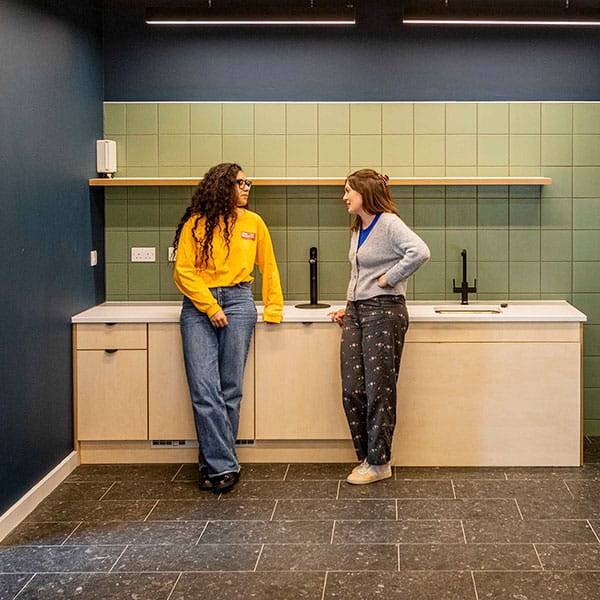
An excellent range of options for all of the Bristol campuses and the city centre.
Bristol
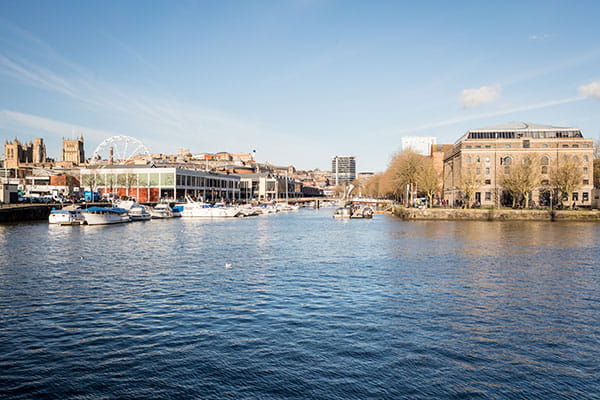
A stunning city for student living with all the qualities to make you want to stay.

Sports, societies and activities
There is more to your experience here than study. Choose to make the most of it and try new things.
Health and Wellbeing
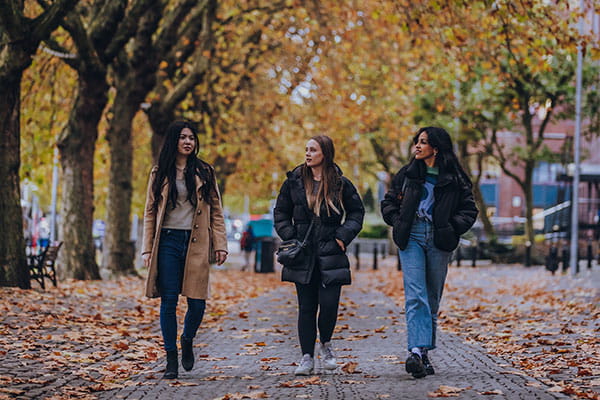
We provide support in the way you need it.
Campus and facilities
Discover our campuses and the wealth of facilities provided for our students.